Topic: Unveiling Legal Remedies When Seeking Justice
Need Official Legal Templates or Documents?
Access attorney-reviewed, fully editable Word (.docx) contracts and printable PDF guides formatted for immediate legal protection.
- ✓ Fully Editable: Includes Word (.docx) & printable PDF
- ✓ Key Clauses: IP transfer, non-solicitation, indemnification & remedies
- ✓ Practitioner Guide: Includes line-by-line filling instructions
Select the specific document below that best fits your requirements:
Table of Contents
In the realm of law, legal remedies serve as the cornerstone of justice, providing recourse for individuals and entities who have suffered harm or injustice. Whether it’s a breach of contract, infringement of rights, or violation of the law, legal remedies offer avenues for redress and resolution.
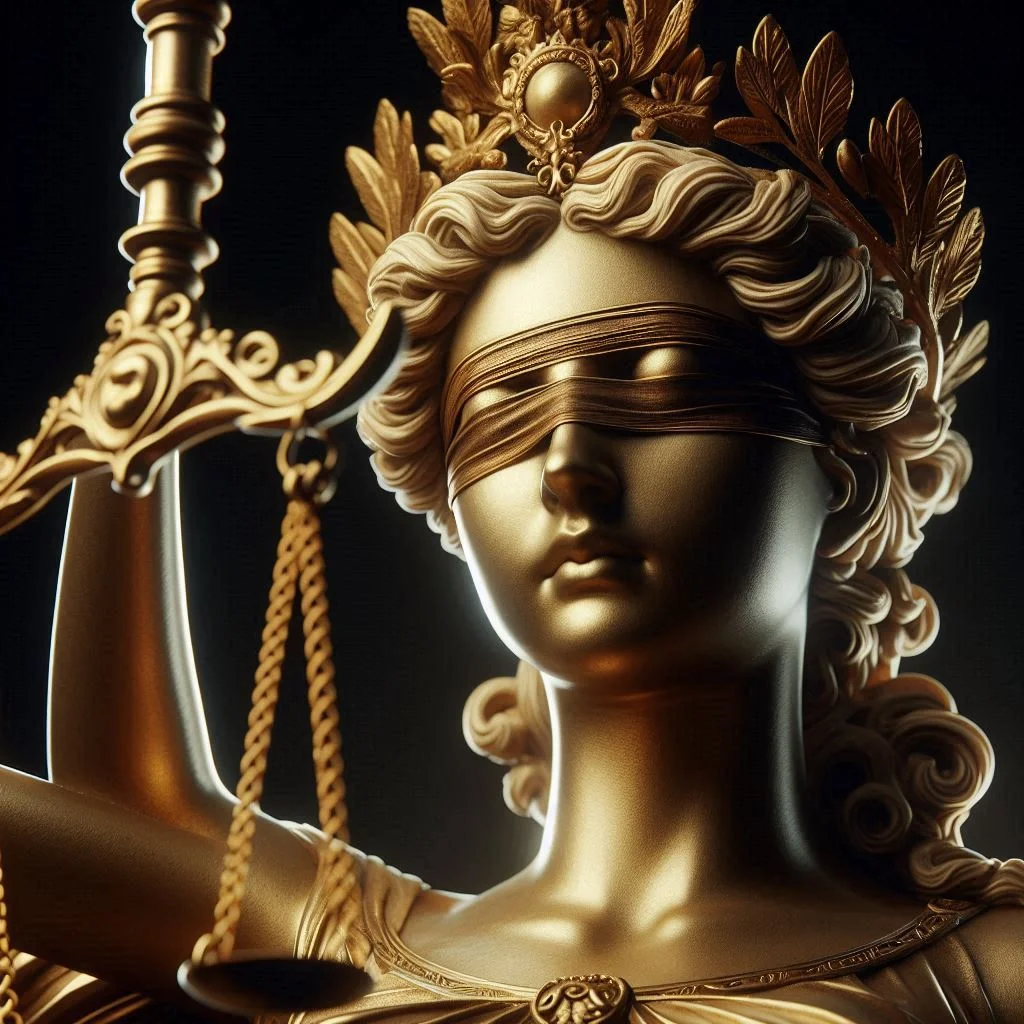
Understanding Legal Remedies
Legal remedies encompass the actions, measures, and processes available to parties to address legal disputes and enforce rights. They aim to restore the injured party to the position they would have been in had the harm not occurred, or to compensate them for their losses. Legal remedies may be sought through negotiation, mediation, arbitration, or litigation, depending on the nature and complexity of the dispute.
Types of Legal Remedies
In the intricate world of law, seeking redress for harm or injustice often involves exploring a variety of legal remedies. Among the most prevalent are damages, which offer monetary compensation for losses incurred, and equitable remedies, which focus on fairness and justice beyond mere financial compensation.
Damages: Seeking Monetary Compensation
Damages serve as a primary means of seeking redress in legal disputes, offering monetary compensation to the injured party for their losses. Here’s a closer look at the types of damages:
- Compensatory Damages:
- Compensatory damages aim to reimburse the injured party for their actual losses suffered as a result of the defendant’s wrongful conduct.
- These damages may include compensation for tangible losses such as medical expenses, lost income, property damage, and other measurable costs incurred by the plaintiff.
- Compensatory damages seek to restore the plaintiff to the position they were in before the harm occurred, ensuring they are not left financially worse off due to the defendant’s actions.
- Punitive Damages:
- Punitive damages, also known as exemplary damages, are intended to punish the wrongdoer for particularly egregious conduct and deter similar behavior in the future.
- Unlike compensatory damages, which aim to compensate the plaintiff, punitive damages are punitive in nature, aiming to punish and deter wrongful conduct.
- Courts may award punitive damages in cases involving intentional wrongdoing, fraud, malice, or reckless disregard for the rights and safety of others.
- Nominal Damages:
- Nominal damages are symbolic in nature and are awarded when the plaintiff has suffered a legal wrong but has not incurred significant financial losses.
- These damages acknowledge that a legal right has been violated, even if the actual harm suffered by the plaintiff is minimal or difficult to quantify.
- Nominal damages may be awarded to vindicate the plaintiff’s rights and establish the defendant’s liability, even in the absence of substantial financial losses.
Equitable Remedies: Seeking Fairness and Justice
Equitable remedies, unlike damages, focus on achieving fairness and justice beyond mere monetary compensation. Here are the key types of equitable remedies:
- Injunctions:
- Injunctions are court orders that require a party to either perform a specific act (mandatory injunction) or refrain from doing a particular act (prohibitory injunction).
- These remedies are commonly used to prevent ongoing or threatened harm, such as ceasing copyright infringement, halting construction activities, or enforcing non-compete agreements.
- Specific Performance:
- Specific performance is a remedy that compels a party to fulfill their contractual obligations as agreed upon in the contract.
- This remedy is typically sought in cases involving unique goods or services where monetary damages would not adequately remedy the breach of contract.
- Courts may order specific performance when the subject matter of the contract is rare, unique, or of special significance to the parties involved.
- Rescission:
- Rescission involves the cancellation of a contract or transaction, effectively undoing the legal consequences of the agreement and restoring the parties to their pre-contractual positions.
- This remedy is available in cases where a contract was entered into under duress, mistake, fraud, or misrepresentation, rendering it voidable at the option of the aggrieved party.
- Declaratory Relief:
- Declaratory relief is a legal remedy sought to clarify the rights, duties, or obligations of the parties under a contract, statute, or other legal instrument.
- While declaratory relief does not provide immediate relief or compensation, it establishes legal certainty for future actions and helps prevent future disputes or misunderstandings.
- Restitution:
- Restitution seeks to restore the unjust enrichment gained by a party at the expense of another, ensuring fairness and equity.
- This remedy aims to return wrongfully obtained property or benefits to their rightful owner, preventing the unjust enrichment of the defendant at the expense of the plaintiff.
From compensating for financial losses to ensuring fairness and justice, legal remedies play a crucial role in resolving disputes and upholding the rule of law. Whether seeking monetary compensation through damages or pursuing equitable relief beyond mere compensation, understanding the nuances of these remedies is essential for navigating the complexities of the legal system. By leveraging the appropriate remedies, individuals and entities can seek redress for harm or injustice and uphold the principles of fairness, equity, and justice.
Significance of Legal Remedies
Legal remedies play a vital role in maintaining the rule of law and ensuring access to justice for all. They serve several key purposes:
- Protection of Rights: Legal remedies protect individuals’ rights and interests by holding wrongdoers accountable for their actions and providing redress for victims of harm or injustice.
- Deterrence and Prevention: By imposing consequences for unlawful conduct and breaches of legal obligations, legal remedies deter future wrongdoing and promote compliance with the law.
- Fairness and Equity: Legal remedies strive to achieve fairness and equity by restoring parties to their rightful positions, compensating for losses, and preventing unjust enrichment.
- Resolution of Disputes: Legal remedies facilitate the resolution of disputes through formal legal processes, such as litigation or arbitration, promoting peaceful and orderly resolution of conflicts.
Seeking Legal Remedies
To seek legal remedies effectively, individuals and entities should:
- Understand Their Rights: It’s crucial to understand one’s legal rights and obligations under the law, including any contractual or statutory rights that may apply.
- Seek Legal Advice: Consulting with a qualified legal professional, such as a lawyer or solicitor, can provide valuable guidance and representation in navigating the legal process.
- Explore Alternative Dispute Resolution: Alternative dispute resolution methods, such as mediation or arbitration, may offer quicker and more cost-effective solutions than traditional litigation.
- Document and Preserve Evidence: Gathering and preserving evidence to support one’s claim is essential for proving the merits of the case and securing a favorable outcome.
- Adhere to Legal Deadlines: Compliance with procedural requirements and statutory deadlines is critical to preserving one’s legal rights and ensuring timely access to legal remedies.
Conclusion
Legal remedies are the cornerstone of justice, providing avenues for redress and resolution in the face of harm or injustice. From compensatory damages to equitable relief, the diverse array of legal remedies reflects the multifaceted nature of legal disputes and the need for tailored solutions. By understanding the types and significance of legal remedies, individuals and entities can navigate the legal landscape with confidence, seeking justice and upholding the rule of law.

Daily Quiz
Constitutional Law
10 questions, new every day. See how many you get right — then come back tomorrow for a new category.
Question 1 of 10
What is judicial review of executive action generally used for?
Just as courts can review whether legislation is constitutional, they can also review whether executive branch action — an agency regulation, an executive order — exceeds legal authority or violates constitutional limits.
Question 2 of 10
What is the "state action doctrine"?
With narrow exceptions, most constitutional rights limit what government can do, not what private parties can do to each other — a private business generally is not bound by the Constitution's equal protection or free speech guarantees the way government is.
Question 3 of 10
What is "sovereign immunity," broadly speaking?
Sovereign immunity traces back to old common-law principles, but it is not absolute in modern practice — governments at both the federal and state level have waived it, by statute or otherwise, for many categories of claims.
Question 4 of 10
What does the Commerce Clause generally allow Congress to do?
The Commerce Clause is one of Congress's broadest sources of power — though the Supreme Court has, at various points, drawn real limits on how far "affecting interstate commerce" can stretch.
Question 5 of 10
How can the U.S. Constitution be amended?
Amending the Constitution is deliberately difficult — Article V requires a supermajority to propose an amendment and ratification by the vast majority of states, making it far harder than passing an ordinary law.
Question 6 of 10
What role does the Senate play in the federal treaty-making process?
Treaty-making is a shared power — while the President negotiates treaties, the Constitution requires Senate "advice and consent," including a two-thirds vote, before a treaty can be ratified, a significant structural check on executive foreign-policy power.
Question 7 of 10
What is congressional "oversight power"?
Congressional oversight — investigations, hearings, and information requests directed at the executive branch — is a key structural tool for checking how faithfully and effectively laws Congress passed are actually being carried out.
Question 8 of 10
What is meant by the "Bill of Rights"?
The Bill of Rights (the first ten amendments, ratified in 1791) was added to address concerns that the original Constitution did not sufficiently protect individual liberties against the newly created federal government.
Question 9 of 10
What are the three branches of the U.S. federal government, and what principle keeps their powers separate?
Separation of powers divides government into three branches — Legislative (Congress, which makes laws), Executive (which enforces them), and Judicial (which interprets them) — each with checks on the others.
Question 10 of 10
What is the constitutional "right to travel"?
Though not spelled out explicitly in the constitutional text, the Supreme Court has long recognized a fundamental right to travel between states, generally limiting a state's ability to penalize new residents simply for having recently arrived from elsewhere.
Come back tomorrow for Tort Law.
Enjoyed Constitutional Law? Go deeper:
Continue with the Constitutional Law course →A quick trivia game for general legal knowledge — not legal advice, and not affiliated with any bar exam or licensing body.
Related in Courts
The information provided in this article ("Legal Remedies: A Comprehensive Guide to Seeking Justice") is for general educational and informational purposes only and does not constitute formal legal advice. Reading this content does not create an attorney-client relationship. Laws vary by jurisdiction; consult a licensed attorney for specific legal matters.

Teaching? Share this with your class
Free to use in class. Students need no account for the free articles.
Advance Your Legal Analysis
Explore our interactive decision trees, litigation pipeline builders, and procedural court simulators designed specifically for law students and practitioners.
Access Interactive Tools →
0 Comments